
CROWN REDUCTION
Professional crown reduction across Surrey and London.
ATS provides carefully planned crown reduction for homeowners, businesses and local authorities. Our experienced arborists assess each tree and recommend proportionate work to reduce its height or spread while retaining a balanced, natural form.
When crown reduction may help
- A crown that has outgrown its available space
- Overextended or heavily weighted branches
- Clearance required from buildings or roads
- Managing size while retaining the tree
PROPORTIONATE CROWN MANAGEMENT
Reducing size while retaining natural form.
Crown reduction must be matched to the tree. ATS considers its species, age, condition, structure and surroundings before recommending how much growth can be removed appropriately.
Reduction based on assessment
Balanced crown retained
Appropriate pruning cuts
Work planned to BS3998
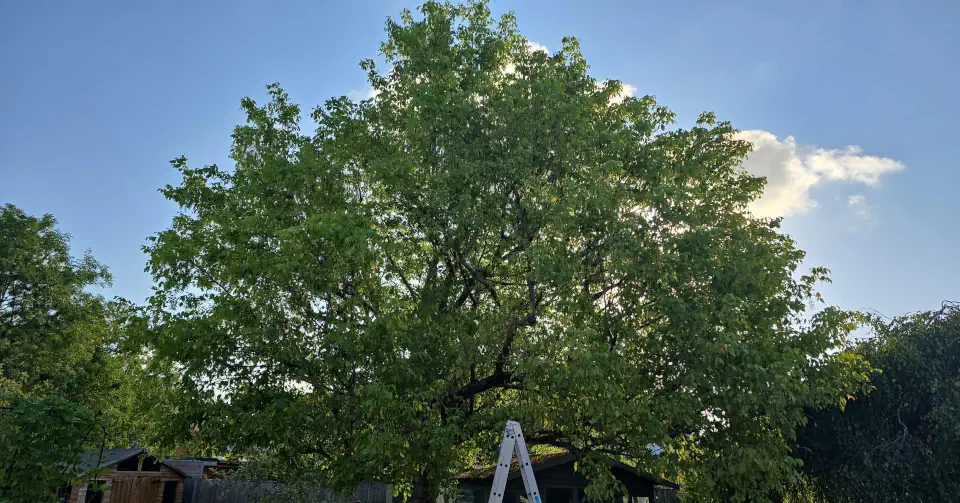
PLANNED CROWN REDUCTION
Reduction tailored to the tree and its surroundings.
The extent of a crown reduction depends on the tree, its condition, its location and the required outcome. Work may reduce the overall height, lateral spread or both.
ATS assesses each tree before specifying the work and selects an appropriate pruning method for the circumstances. The finished result will vary according to the species, previous management and the purpose of the reduction.
CROWN REDUCTION APPLICATIONS
Targeted reduction for different trees and sites.
The purpose and extent of crown reduction varies. ATS defines the required outcome around the tree, its condition and the space available.
Height reduction
Reducing the overall height of a crown where this is appropriate for the tree and its location.
Spread reduction
Shortening the lateral spread to manage branches extending toward buildings, boundaries or access routes.
Balanced reshaping
Correcting an uneven or poorly balanced crown while retaining a natural appearance.
End-weight reduction
Shortening selected extended branches to reduce leverage and manage structural loading.
Clearance from structures
Reducing appropriate growth where the crown is affecting buildings, roofs, lighting or other structures.
Remedial crown management
Proportionate reduction following storm damage, branch failure or changes affecting the crown.
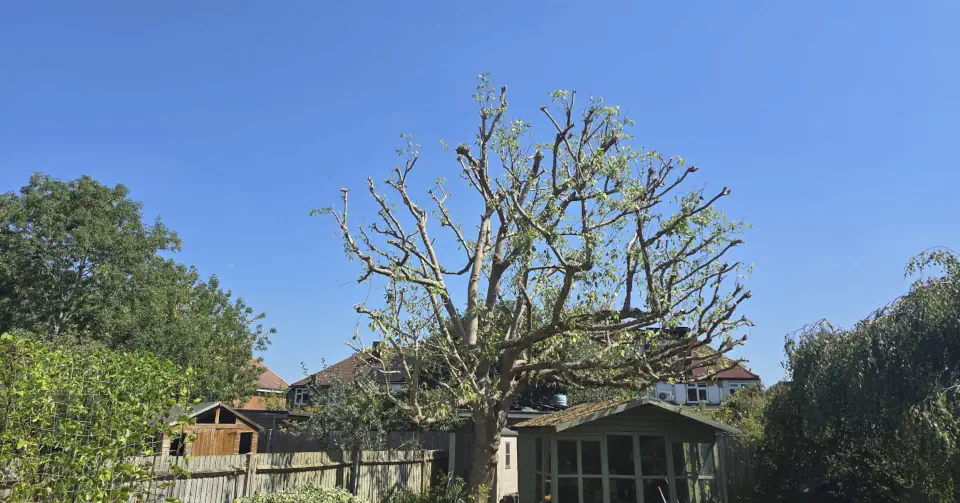
ASSESSMENT FIRST
Not every large tree needs reducing.
A large tree is not automatically unsafe or unsuitable for its location. Crown reduction should have a clear purpose and must take account of the tree’s species, age, health, structure and ability to respond to pruning.
ATS assesses whether reduction is appropriate, explains what outcome can realistically be achieved and identifies any permissions that may be required. Where another form of pruning would be more suitable, we will explain why.
HOW CROWN REDUCTION WORKS
A measured process from assessment to completion.
ATS establishes why reduction is required, defines a proportionate specification and plans the work around the tree and its surroundings.
01
Initial enquiry
Tell us about the tree, its location and what you would like the crown reduction to achieve.
02
Site assessment
ATS assesses the crown, tree condition, surrounding space, access and any practical constraints.
03
Reduction specification
We define the appropriate extent of reduction and provide a clear written quotation for the proposed work.
04
Planning and tree work
The appropriate team, access equipment and working methods are organised before work begins.
05
Completion
The specified reduction is completed carefully, arisings are removed and the site is left safe and tidy.
CLIENT FEEDBACK
Just had a very large Willow Tree reduced in size as some giant branches fell during gales in winter. They did a great job.
Helen Freeman
5-star Trustpilot review · 21 April 2026
CROWN REDUCTION FAQS
Questions about crown reduction.
Clear answers about reducing a tree’s crown, appropriate pruning and what to expect from the work.
What is the difference between crown reduction and topping?
Crown reduction shortens selected branches throughout the canopy while retaining an appropriate natural framework. Topping removes branches indiscriminately and can leave damaging cuts, poor form and weak regrowth.
How much can a tree crown be reduced?
The suitable amount depends on the tree’s species, age, condition and structure. ATS recommends a proportionate specification rather than removing more growth than the tree can reasonably tolerate.
Do I need permission for crown reduction?
Permission may be required if the tree is protected by a Tree Preservation Order or situated within a conservation area. ATS can advise what should be checked before the work is arranged.
Will the tree grow back after crown reduction?
Yes. Trees continue growing after pruning, although their response varies by species, condition and the extent of work. Future management requirements will be explained during the assessment.
CONSIDERING CROWN REDUCTION?
Arrange an assessment for your tree.
Tell ATS about the tree, its location and why you are considering crown reduction. We’ll assess what is appropriate, explain the likely outcome and provide a clear quotation.